
Nipple shields, a helpful tool when used wisely
Breastfeeding is a journey filled with highs and lows. If you’re facing challenges, you’re not alone—and there are tools that can help. One of these tools is the nipple shield. While they can be incredibly useful, understanding when and how to use them is key. This guide will walk you through the role of nipple shields, how to use them safely, and why professional support matters.
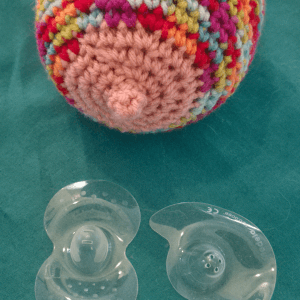
What Are Nipple Shields?
Nipple shields are thin, flexible silicone covers that fit over your nipple during breastfeeding. They can help babies latch when difficulties arise, but they’re not a one-size-fits-all solution. Think of them as a tool in the breastfeeding toolbox—helpful in the right circumstances, but not always the first step.
When and Why to Use Them
Nipple shields can be useful when:
- Your baby struggles to latch due to flat or inverted nipples, oral differences (like tongue tie or high palate), or prematurity.
- You’re transitioning from bottle to breast, especially if your baby has developed a preference for bottle feeding.
- You need a temporary solution while working on an underlying issue.
Important: Nipple shields should not be the first-line approach for sore or damaged nipples. The first step should always be skilled lactation support to identify and address the root cause—such as positioning, attachment technique, or oral restrictions. Using a shield as the first response is like applying a band-aid without treating the issue causing the wound.
Does This Mean They Should Never Be Used for Soreness?
Absolutely not! There’s nuance here:
- If the underlying cause has been identified but will take time to resolve (for example, a tongue tie awaiting treatment or a preterm infant building strength), nipple shields can be a temporary measure to protect nipples and maintain breastfeeding while you work on the root issue.
How to Use Them Safely
- Get support from a lactation consultant to ensure the shield is the right tool for your situation and fitted correctly.
- Monitor baby’s intake and weight gain to make sure feeding is effective.
- Express milk in the early weeks if needed. Using nipple shields can sometimes reduce stimulation to the breast, so adding some expressing sessions can help ensure your milk supply builds effectively while you and your baby learn to breastfeed efficiently with the shield.
- Experiment with timing if trying to go shield-free: Some babies latch better before a feed, others mid-feed and others after a feed. All these options are valid—what works for one mum and baby may not work for another, so it’s okay to try different approaches, this is something that a lactation consultant can guide you on as it can be very dependent on your individual situation.
- Consider shield use as a short-term aid in the first instance, not a permanent fix. However, if you are struggling to wean off shields and your baby is feeding well and thriving, do not panic, you can continue to use the shields as long as needed!
How to Apply a Nipple Shield
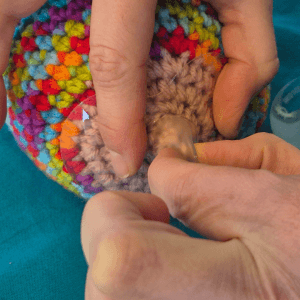
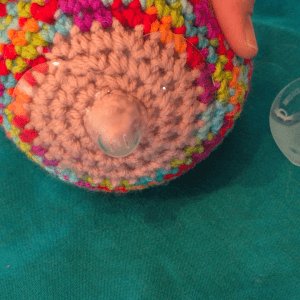
Getting the shield on securely can make a big difference. Here’s a simple technique:
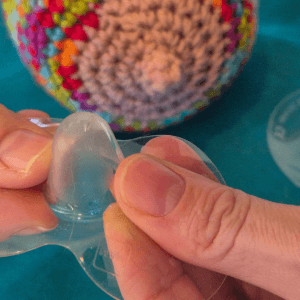
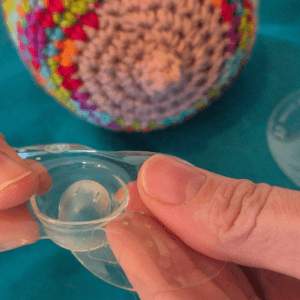
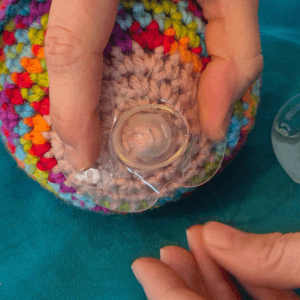
- Dimple the nipple part slightly by pressing it inward.
- Place the shield centrally over your nipple.
- With the fingers of one hand, hold the surrounding edges of the shield against your breast.
- With your other hand, take hold of the central nipple section and gently pull it outward so it protrudes again.
This action helps draw your nipple into the shield, giving it a better chance to stay in place and improving the fit for your baby.
Weaning Off Nipple Shields
When you’re ready to move away from shields:
- Try lots of skin to skin as baby may just take you by surprise and seek out a feed.
- Try removing the shield mid-feed once milk is flowing.
- Offer skin-to-skin and calm environments for any shield-free attempts.
- Be patient—some babies take weeks to transition.
- Always stay responsive to how you and your baby are feeling and stop trying for that feed if either of you are seeming upset or frustrated.
- Only try when at home until you are starting to have some successful attempts, you and baby will be more relaxed in your home environment!
Top Tips from Mums Who’ve Used Shields
- “They are a valuable tool—without them, we wouldn’t have been able to breastfeed.”
- “Nipple shields saved our feeding journey.”
- “It takes patience and practice to wean off them.”
- “I wish I had known that there is no rush to wean off them and no age that is ‘too late.’”
- “We used them for our entire breastfeeding journey of 18 months, and I am so thankful they exist.”
- “I highly recommend having many shields so that you will always have a clean one to hand – by your bed, by the sofa, in your nappy bag, in the car! It was how I managed”
- “I used to keep the shield tucked in the top of my bra in between feeds, this made it easier to always know I had it to hand”
These real-life experiences show that nipple shields can make all the difference—and that every journey is unique.
Final Reassurance and reminder
If you’ve tried weaning and it’s not working, but your baby is growing well and feeding comfortably, it’s okay to keep using them. Successful feeding matters more than being shield-free.
Nipple shields have a place—but they’re not the first solution for soreness. They’re most helpful when used thoughtfully, alongside professional support, as part of a bigger plan to address underlying challenges.